A weekly home reset is not a deep clean and not a performance of perfect domesticity. It is a rhythm: a few hours, usually on a quieter weekend morning or a midweek evening when the house has stopped generating new mess, when you walk each room with the same curiosity you might bring to a familiar street. Across U.S. apartments, townhomes, and single-family houses, the pattern repeats — kitchens absorb weekday cooking film, bathrooms hold steam residue, living rooms collect textile dust, and thresholds drag outdoor grit inward. This guide describes how to structure that weekly pass so it feels observational and complete rather than frantic.
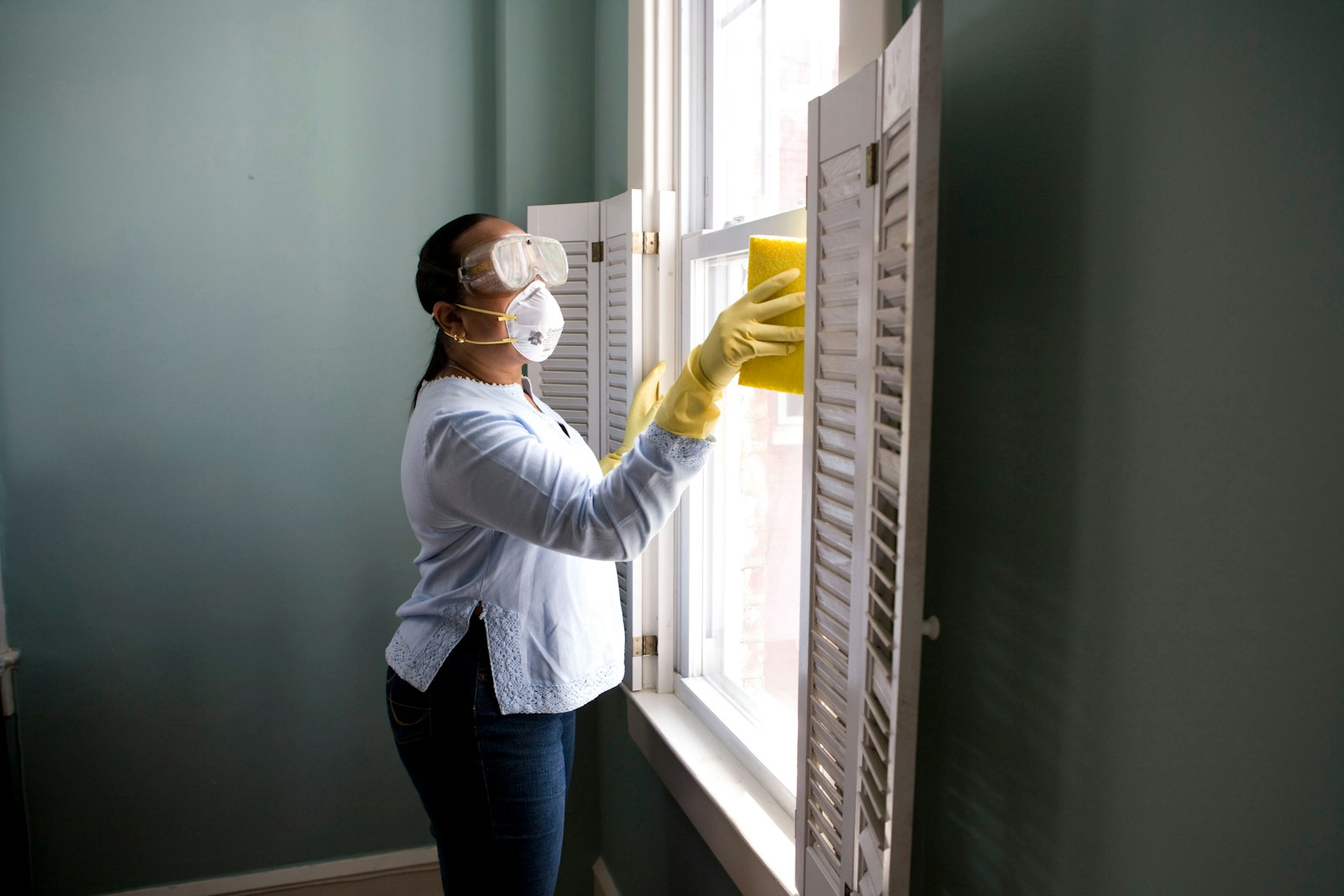
Why weekly, not daily perfection
Daily tidying keeps surfaces usable. Weekly resetting restores readability — the sense that counters, floors, and soft furniture still belong to a coherent household rather than to the last forty-eight hours of activity. American workweeks compress cooking, laundry, school bags, and delivery boxes into the same footprint; by Friday the house often looks busy even when it is not dirty. A weekly rhythm separates “put things away” from “reset the room.” The first is logistics. The second is atmosphere.
Households that try to deep-clean every room every Saturday tend to burn out or skip weeks entirely. Households that never look past the sink accumulate film that later feels like a renovation-scale problem. The middle path is a predictable circuit: kitchen and baths first while energy is high, living soft surfaces second, floors and glass when light is best, edges and closets last so the exit zones match the interior.
A practical room order
Start where residue is chemical and humid rather than merely dusty. Kitchens and bathrooms reward early attention because grease and soap film harden if left. Living rooms and bedrooms tolerate a later pass if textiles are shaken and high-dust shelves are wiped. Floors come after upper surfaces so you are not walking grit onto freshly mopped paths. Windows and mirrors belong wherever morning or late-afternoon sidelight reveals streaks — often that means pausing mid-circuit when the sun angle is useful rather than forcing glass into a rigid slot.
- Kitchen — counters, sink rim, appliance faces, then floor.
- Baths — mirrors, fixtures, shower glass or curtain edge, then floor.
- Living — soft surfaces, media ledges, lamp bases, then vacuum paths.
- Laundry and closets — fold backlog, clear floor piles, reset hangers.
- Entries and porch edges — mats, shoe zones, outdoor grit barrier.
Pacing and light
Two focused hours beat five distracted ones. Many U.S. homes have good north or east light in the morning; that is when glass and pale floors tell the truth. Evening resets work when you accept warmer artificial light and prioritize touch — sticky counters, sandy floors — over streak detection. If you share the household, assign rooms rather than tasks; ownership of a room reduces the negotiation tax that turns cleaning into a meeting.
Keep a short written circuit on the fridge or phone notes — not a product shopping list, just the room order. When the week has been chaotic, the list prevents decision fatigue from collapsing the reset into “I’ll just wipe the kitchen.”
What this site means by “notes”
Online USA Page Notes publishes observational essays about domestic care rhythms in the United States. We describe sequences, light, and surfaces. We do not sell cleaning packages, schedule technicians, or urge checkout pages. If you hire help, that arrangement lives outside this editorial project. Our job is to make the weekly reset feel intelligible — so the house, after a few hours, reads as itself again.
The guides that follow zoom into kitchens, baths, living rooms, laundry habits, floors, glass, and threshold edges. Read them as field notes from American interiors: apartment stacks with shared laundry rooms, suburban houses with porch mats that never quite catch all the grit, and open-plan kitchens where cooking film travels farther than anyone expects. The weekly rhythm is the spine; the rooms are the chapters.
Seasonal adjustments across U.S. climates
Winter resets in northern states contend with salt, sand, and heavier textiles — more entry work, more vacuuming of rugs, longer dry times for mopped floors. Summer in humid regions means bathrooms need stricter fan habits and kitchens need quicker attention to spills that attract insects. Desert Southwest homes fight fine dust that infiltrates window tracks; coastal Pacific Northwest homes fight mud and moss at porch edges. The weekly circuit stays the same; the emphasis slides.
Holiday weeks and travel weeks deserve a lighter version of the same map rather than abandonment. A thirty-minute kitchen-and-bath-only pass keeps film from setting so the following weekend is not a punishment. Consistency beats intensity for domestic atmospheres that have to survive real American schedules.
Shared households benefit from a visible circuit list and a shared definition of “done.” Done means floors vacuumed on traffic paths, counters clear and wiped, baths dry to the touch, and laundry not living on furniture. Done does not mean baseboards polished with a toothbrush. Negotiating that standard once prevents weekly conflict.
When the week breaks the map
Illness, travel, guests, and overtime will break the ideal circuit. Keep a minimum viable reset: kitchen surfaces, bathroom dry-down, and entry grit. That triangle prevents the house from tipping into a state that needs a full weekend to recover. Full circuits resume when energy returns; guilt does not clean counters.
Music or a podcast can pace the work without turning it into distraction if you choose something familiar. Timers help shared households: forty minutes kitchen and bath, twenty living, twenty floors and edges. When the timer ends, stop. Sustainability outranks heroics.
Children can own age-fit pieces of the map — putting shoes in the entry zone, carrying laundry baskets — without being conscripted into adult standards. The weekly rhythm is cultural transmission as much as hygiene. Homes that narrate “this is how we reset” raise adults who know how to begin.