Living rooms collect a different kind of residue than kitchens. Soft surfaces hold fiber dust; entertainment shelves hold a fine film that becomes visible only when afternoon light cuts across the room; ceiling fans, where present, redistribute both. Understanding dust paths — how air and activity move particles through a typical U.S. living room — makes the weekly reset shorter and more honest.
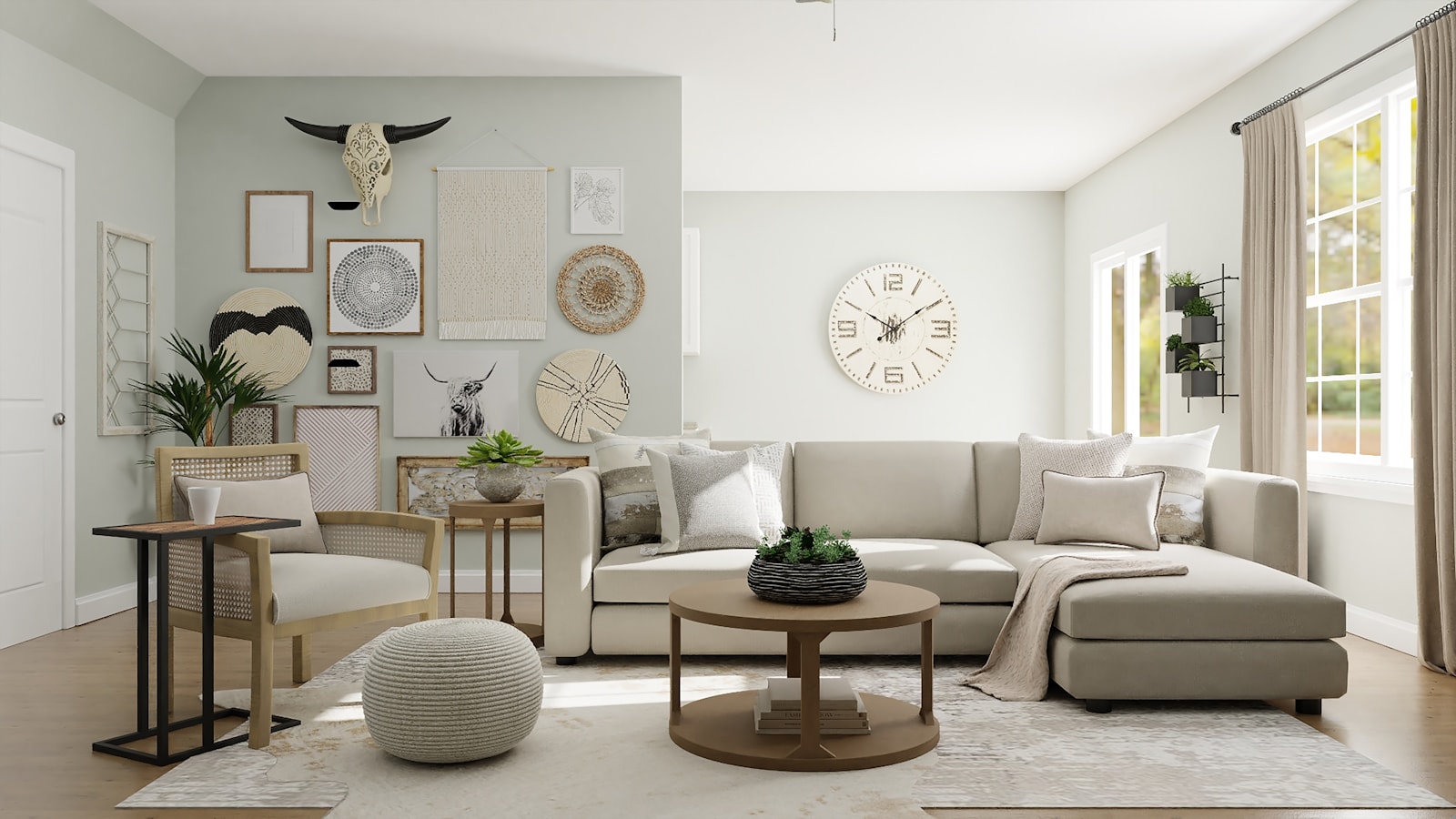
Where dust actually settles
Particles prefer horizontal ledges within a few feet of seating and floor traffic. Sofa arms, the top of the television console, picture frames, and the rear edge of coffee tables are higher-yield than the middle of a cushion you already sat on yesterday. Baseboards near HVAC returns show gray first. If you have pets, the weekly living-room pass is partly textile management: throw blankets shaken outdoors or in a tub, then folded, change the room’s entire feel.
Electronics attract dust electrostatically. Unplug only what you must; a dry microfiber pass on screens and speaker grills is enough weekly. Avoid wet cloths on powered equipment. The goal is optical calm — fewer dull patches catching light — not sterile laboratory surfaces.
Soft furniture sequence
- Remove and shake — throws, then cushion covers if your system allows easy removal.
- Vacuum upholstery — crevices where crumbs migrate during movie nights.
- Wipe hard ledges — console, shelves, lamp bases, remote trays.
- Floor paths — traffic lanes first, under-sofa edges second.
Open-plan homes common in newer U.S. construction share air with kitchens; cooking film can settle on living-room shelves. If your weekly kitchen reset included frying, give the nearest living ledges an extra wipe that same day.
Once a month, move the sofa a foot forward and vacuum the hidden strip. Weekly resets skip this; monthly edge work prevents the “we cleaned but it still feels dusty” paradox.
Atmosphere over rearrangement
A living-room reset should not require redesigning furniture. Return objects to intentional places; donate or relocate permanent clutter on a separate weekend. When the soft surfaces are refreshed and the ledges no longer flash dust in side light, the room reads as welcoming again. That is the living room’s chapter in the weekly rhythm — quiet, textile-aware, and done before floors are wet.
Screens, plants, and evening light
Large televisions are dust magnets with glossy faces that announce neglect in evening lamp light. A weekly dry wipe changes how the whole wall reads. Houseplants drop soil fines onto nearby floors; check saucers during the living-room pass. Bookshelves need only a light weekly dust on the front inch of shelves if you rotate deeper dusting monthly.
Fireplaces, where present, shed ash seasons. Even unused decorative hearths collect gray film on mantels. Mantels are living-room skyline — wipe them. Ceiling corners near returns show cobwebs first in older houses; a telescoping duster monthly keeps weekly work from feeling futile.
The living room is where households relax into looking at their own mess. Resetting it weekly restores the psychological permission to rest there without a background list of undone tasks humming at the edge of attention.
Sound, scent, and the lived-in room
Living rooms hold sensory memory: cooking smells drifting from open-plan kitchens, candle wax on shelves, pet beds that need shaking. A weekly reset can include opening a window briefly when weather allows — air exchange is part of atmosphere. Fabric refreshes without perfume overload; sometimes vacuuming textiles is enough.
Board games, remotes, and charging cables recreate counter clutter on coffee tables. Use one tray as the living room’s “daily kit” and empty it weekly the same way you empty a kitchen landing zone. Decorative objects can stay; orphan objects should leave.
Window seats and low ledges near radiators or vents are dust expressways. Wipe them even when you skip deeper shelf dusting. Floor vents themselves collect lint that then blows gray across dark floors — vacuum the vent surface weekly in carpeted homes especially.
If your living room doubles as a workspace, close the work kit at reset time: laptop lid, papers stacked, cables coiled. The room cannot feel reset while it still visually asks for labor. Online USA Page Notes treats that psychological edge as part of dust paths — clutter is a kind of visual particulate.
Evening lamps and the honesty of warm light
Warm lamps hide dust that daylight reveals, which is why living rooms cleaned only at night slowly gray out. Whenever possible, do the ledge wipe while daylight still reaches the console. Evening vacuuming of floors is fine; evening-only dusting of dark shelves is how film accumulates unnoticed for a month.
Rotate two throw-blanket sets if your household lives under textiles: one in use, one clean. The swap can happen on reset day beside the laundry chapter. Living rooms that smell like fabric softener overload are trying too hard; living rooms that smell like nothing in particular after a vacuum usually got it right.
End by sitting in the primary seat for thirty seconds. If your eye catches a remote battery graveyard or a dead plant leaf, fix that single tell. The living room chapter closes on atmosphere, not on a checklist marathon.