Laundry is the domestic system most likely to colonize other rooms. Chairs become folding stations; bedroom floors become sorting zones; clean clothes wait in baskets until they are indistinguishable from dirty ones. Editorial notes on laundry habits matter for a weekly home reset because textiles are volume: when they are handled, the house looks finished; when they are not, every other surface wipe feels temporary.
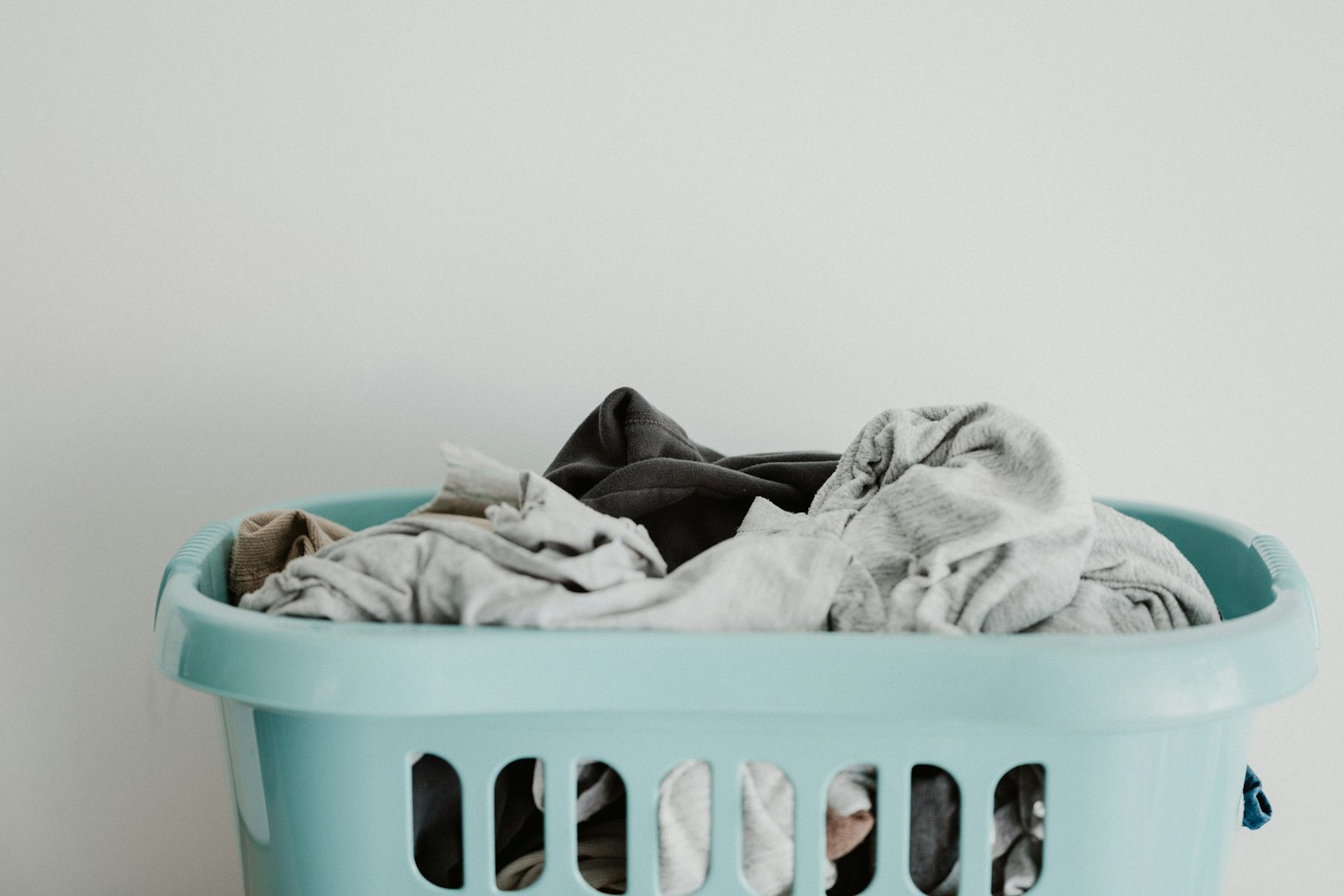
Sort with the week in mind
U.S. households vary wildly: some have in-unit machines, others share basement laundry in apartment buildings, others drive to laundromats. The rhythm changes, but the principle holds — sort by soil and fabric before the machine, not after. Towels and kitchen cloths carry different residues than sheets; athletic wear holds odor compounds that transfer if mixed wet with delicates.
If you are time-poor, reduce categories rather than skipping sorts: lights, darks, towels. Three piles beat seven abandoned intentions. Pretreat obvious stains at sort time so the weekly reset does not become a stain-removal seminar mid-fold.
Dryer timing and the fold window
Clothes left in a machine wrinkle and then migrate to “I’ll hang them later,” which becomes chair stacks. Set a simple rule: fold or hang within an hour of the cycle ending. If that is impossible, transfer to a single open basket in the laundry zone — not the bedroom floor. The weekly home reset should include emptying that basket completely, even if folding is imperfect.
- Hang structure pieces immediately — shirts, dresses, anything that fights wrinkles.
- Fold soft stacks — tees, pajamas, towels in consistent sizes for closet calm.
- Return to rooms in one trip — multiple half-trips recreate clutter paths.
Keep one “donation bag” in the laundry area. Items that no longer fit or feel right leave during fold time, not during a mythical future closet overhaul.
Linens and the reset day
Many households change sheets on the same day as the weekly reset. Strip beds first thing, start the machine, and make beds with the second set while the first washes. The bedroom then participates in the house’s restored atmosphere instead of waiting until Sunday night. Bathroom towels follow the same logic: replace, wash, fold, return — a closed loop.
Laundry habits are not glamorous, but they are structural. When textiles circulate cleanly, the weekly reset of counters and floors finally sticks.
Apartment laundry rooms and shared machines
Shared laundry adds logistics: timers, etiquette, and the temptation to leave loads unattended until wrinkles set. Bring a foldable bag that stands open; fold on a lobby table if needed rather than dragging everything home damp. Scent transfer from previous users’ products is common — an extra rinse for towels helps sensitive households.
In-unit laundry still fails when machines become storage. Keep the tops of washers clear so the weekly reset can include wiping those surfaces — they collect the same dust as any horizontal plane. Lint traps emptied each dry cycle are fire-safety basics and also keep the laundry corner from smelling scorched.
Seasonal textiles — blankets, guest sheets — should not live in the weekly pile. Store them cleaned so they do not inflate every Saturday’s machine count. The weekly habit stays sustainable when it handles the living volume of clothes, not the archive of the linen closet.
Stains, sports gear, and the honest pile
Youth sports and gym routines introduce mud and synthetic odors that defeat a casual wash. Separate those loads even when you simplify other categories. Hanging gear to dry fully before it enters the hamper prevents the hamper itself from becoming a smell source that the weekly reset cannot outrun.
Delicates and sweaters stretch the fold window — lay flat when needed rather than forcing hanger shapes. The weekly habit is not fashion curation; it is circulation. Items that never leave the “maybe” chair should enter the donation bag during fold time.
Households with irregular schedules can batch: two machines on reset day rather than trickle loads that never get folded. Batching feels heavier in the moment and lighter across the week. Pair batching with a hard stop — when the last basket is empty, laundry is done; do not open a new “quick load” that restarts the colonization.
Keep lint bins emptied and detergent measured — overflowed powder or pods on machine tops recreate the sticky film you fight in kitchens. Laundry spaces deserve the same horizontal wipe as any other room in the weekly map. When textiles move cleanly from dirty to stored, every other guide on this site becomes easier to live.
The chair problem named honestly
Every American home has a chair that collects clothes. Name it, then retire it from that job on reset day. Either fold the pile into the dresser or accept a single compact hamper beside the chair — not both. Ambiguous furniture breeds permanent interim states.
Travel bags after trips deserve the same closure: unpack within a day, laundry into the sort piles, bag stored empty. Half-unpacked suitcases are mobile clutter engines that defeat closet edges and bedroom floors simultaneously.
When the fold is done, walk the bedroom and living room once for stray socks and towels. Laundry is not finished while textiles still decorate other rooms. That final sweep is the habit that makes Online USA Page Notes’ laundry chapter worth reading twice.